
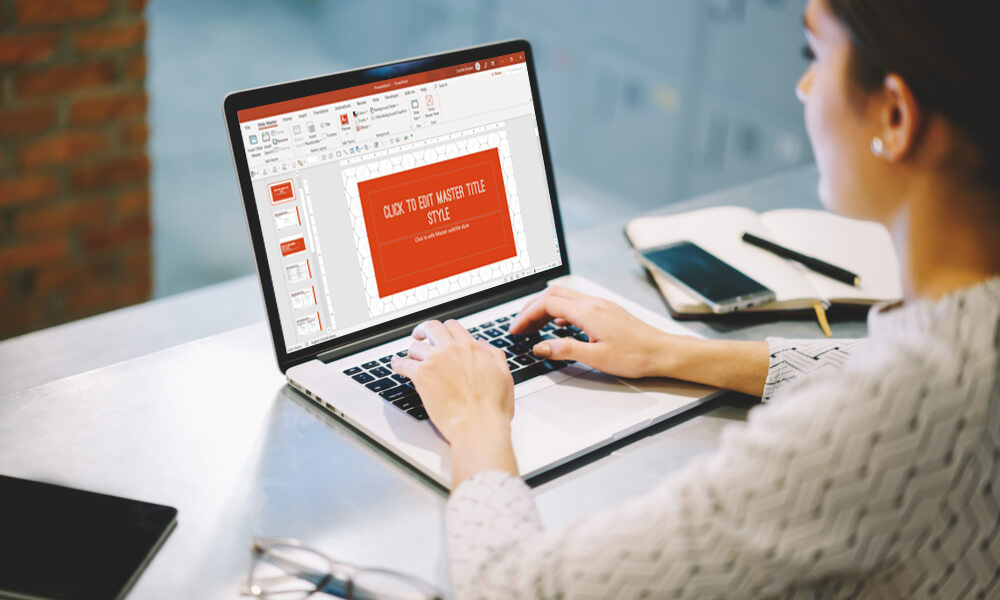
Planning an event requires a careful balance of creativity, organisation and clear communication. From small gatherings to large-scale conferences, every detail matters. In the world of modern planning, visual presentations have become a powerful asset. Many planners now explore powerpoint courses to sharpen their skills and create polished, structured planning tools that support every stage of an event.
Bringing ideas to life visually
Every successful event begins with a vision. Presentations help transform scattered thoughts into a clear and compelling story. Planners can outline themes, colour palettes, floor layouts and mood inspiration, all in one place. Images, shapes, icons and charts allow creative ideas to be communicated to clients and teams instantly. This makes it easier for everyone to imagine the end result, offer suggestions and agree on a shared direction before any logistics begin.
Crafting persuasive client proposals
Convincing a client that your concept is the right one often comes down to how well you present it. Slides provide a neat format to structure proposals, highlight unique ideas and present cost estimates. Visual mock-ups and sample menu lists can be built to give clients a realistic preview. Optional mood boards can be added too. A well-designed presentation ensures key points are showcased in a tidy and professional style, helping the planner earn trust while standing out with polished communication.
Organising timelines and checklists
Event success depends on structure. Presentations can serve as digital planning boards where timelines, milestones and to-do lists are mapped out clearly. Dates for booking venues, confirming suppliers and final rehearsals can all be highlighted. Separate slides may be created for each planning phase, making it simple to track tasks without juggling multiple documents. Visual progress bars and colour-coded status markers can also help keep teams aligned on deadlines and responsibilities.
Managing budgets and supplier details
Financial planning forms the backbone of any successful event. Presentations offer a flexible space to build budget tables, cost breakdowns and comparison charts. Supplier quotes, decor options and venue packages can be placed side-by-side for easy review. When updates are needed, costs can be adjusted quickly without disturbing the layout. Presentations also make it easier to introduce suppliers to clients, sharing images and details in a structured format instead of long email threads.
Enhancing team communication
Whether working with caterers, designers, technical teams or hosts, clear communication is essential. Presentations allow all stakeholders to access a central visual plan. They can be displayed during meetings or shared for reference, ensuring every department understands their role. When teams see the wider picture, coordination becomes smoother and fewer mistakes occur. Planners can also add speaker notes to record reminders, instructions or feedback received during discussion.
Creating guest journey maps
Guest experience shapes how events are remembered. Presentations can be used to outline the entire attendee journey from arrival to farewell. Welcome touchpoints, seating flow, programme timings, entertainment breaks and dining stages can all be visually mapped. Floor plans and signage ideas can also be inserted. When guest movement is thought through visually, planners spot gaps more easily and create smooth, enjoyable experiences that feel natural rather than rushed.
Supporting rehearsal and execution
On the day of the event, the presentation becomes a reliable guide. Final running orders, contact lists, cue timings and contingency plans can be organised on dedicated slides. The team can access it quickly whenever needed. Planners may also use portable devices to keep slides close by. Clear structure reduces stress and ensures everyone knows where to be, what to do and when to do it, leading to smoother execution.
Helping evaluate post-event feedback
After the event, reviewing what worked well and what could improve is important. Presentations allow planners to gather feedback, collect images from the day and insert guest responses. Summary slides can help identify achievements and note suggestions for future events. Over time, these slides become a valuable library of learning that strengthens planning skills and professional growth.
Final thoughts
Event planning blends artistry with organisation. Visual presentations provide a smart, efficient and versatile tool for shaping ideas, presenting them confidently and managing every stage from concept to celebration. With creative layouts, clear timelines and accessible information, planners stay in control while bringing memorable experiences to life. Embracing this approach not only elevates presentation style but also enhances planning quality, communication and client satisfaction across every project.