
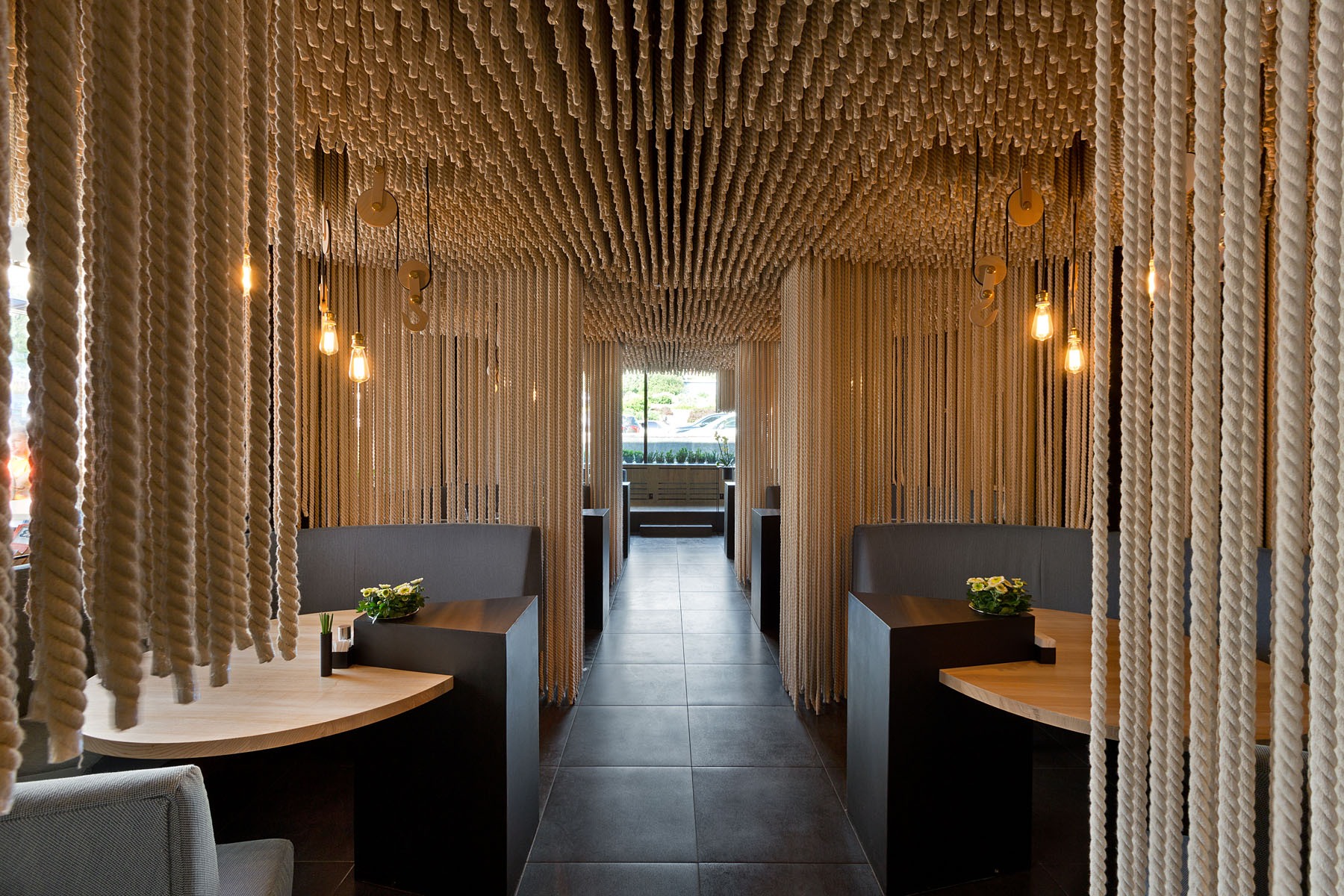
Modern diners increasingly seek more than just great food—they want a personalised experience. Whether for a romantic dinner, family celebration, or business meeting, the atmosphere of a restaurant plays a vital role in how guests feel. A subtle yet effective design feature that can elevate this experience is the wooden room divider, which offers privacy without compromising the restaurant’s open and inviting feel.
The Importance of Privacy in Dining Spaces
Restaurants often face the challenge of balancing openness with intimacy. While open-plan layouts create a sense of space and vibrancy, they can also lead to noise, distractions, and a lack of personal comfort. Private dining areas address this by providing seclusion while still keeping guests connected to the restaurant’s atmosphere. Achieving this balance is where the role of smart interior design comes in—especially the use of dividers that define space elegantly and practically.
Why Choose a Wooden Room Divider
Wood is timeless, versatile, and naturally warm, making it an ideal material for restaurant interiors. A wooden room divider not only helps section off areas but also adds character to the overall décor. Its aesthetic versatility allows it to blend with various design styles—from rustic and vintage to modern and minimalist.
Beyond aesthetics, wooden dividers offer functional benefits. They can absorb sound better than metal or glass alternatives, helping reduce echo and chatter in busy dining rooms. Additionally, wood introduces an organic texture that makes spaces feel calm, grounded, and welcoming—qualities that encourage diners to linger longer.
Defining Spaces Without Walls
Permanent walls can make interiors feel cramped, block light, and reduce flexibility. Wooden dividers, on the other hand, provide an adaptable way to define zones within a restaurant. They can separate dining tables, create small alcoves for private events, or frame cosy corners for two.
For instance, an open dining area can be divided into smaller sections to host private gatherings or tasting menus without isolating guests entirely. The result is an environment that feels exclusive but still part of the main space—ideal for restaurants that host both casual diners and special occasions.
Adding Texture and Warmth
The choice of material dramatically influences the ambience of a restaurant. Wood brings natural texture and warmth, making spaces feel more inviting. Depending on the tone and finish, it can also set the mood—dark oak or walnut creates a sophisticated and intimate setting, while light pine or birch brightens smaller spaces.
Finishes such as slatted panels, carved motifs, or latticework can also serve as decorative features that complement lighting and furniture. When paired with soft lighting, a wooden divider casts elegant shadows that enhance the visual depth of the room.
Flexibility and Functionality
One of the greatest strengths of using wooden dividers is their flexibility. They can be permanent fixtures, sliding panels, or even folding screens that staff can reposition as needed. This adaptability is especially valuable for restaurants that host varied group sizes and events.
For example, during peak hours, dividers can help manage crowd flow by subtly guiding movement or separating waiting areas from dining sections. For private bookings, they can quickly transform open seating into enclosed spaces, providing comfort and exclusivity with minimal effort.
Enhancing the Guest Experience
From a customer’s perspective, privacy enhances comfort. Diners appreciate being able to converse freely without feeling overheard or crowded. A thoughtfully placed wooden divider creates a sense of personal space while maintaining visual connection with the restaurant’s ambience.
Restaurants can take this further by using dividers as part of the design narrative—perhaps incorporating planters, shelves, or artwork into the structure. This not only adds visual interest but also makes each section feel like a distinct environment with its own mood and charm.
Sustainable and Long-Lasting Appeal
Sustainability has become a key consideration in modern hospitality design. Wood is a renewable material, and when sourced responsibly, it supports eco-friendly practices. Moreover, wooden dividers are durable and can be refinished or repurposed over time, reducing the need for replacements.
A well-crafted divider also improves long-term value by withstanding wear and maintaining its aesthetic quality for years. Its timeless appeal ensures it never feels outdated, even as trends shift.
Designing with Purpose
Every restaurant has its unique character, and the design of its private spaces should reflect that. When planning the layout, consider how diners move, how sound travels, and how lighting interacts with different areas. Position dividers to enhance these elements—offering privacy where it’s needed, while keeping the atmosphere open and engaging elsewhere.
A wooden room divider can be both a visual statement and a functional tool. Whether used to carve out a cosy nook or to organise a large dining hall, it adds balance and harmony to the environment.
Conclusion
Creating private dining spaces isn’t just about separating tables—it’s about shaping experiences. A wooden room divider provides restaurants with the flexibility to adapt spaces elegantly, improve acoustics, and enrich the overall mood. By combining practicality with natural beauty, it allows restaurants to offer guests a setting that feels personal, comfortable, and thoughtfully designed.
In a world where dining out is as much about connection as cuisine, these subtle design choices make all the difference.