
Podcasting has become more than just a trend—it’s a powerful platform for storytelling, education, and entertainment. These panels aren’t just about aesthetics—they’re fundamental to controlling reverberation, background noise, and sound reflections that can distort recordings. Whether you’re setting up your first home studio or upgrading a professional one, here’s how these versatile panels play a critical role in perfecting acoustics. Great content deserves great sound. While microphones and software are essential tools, poor room acoustics can sabotage even the most professionally planned episodes. Bare walls, hard surfaces, and open spaces create echoes and distortions, making audio editing a nightmare. Acoustic treatment focuses on improving sound quality by managing how sound behaves in a room. This includes absorption, reflection, and diffusion. That’s where cut and edged panels come into play—strategically placed to absorb unwanted frequencies and ensure your voice sounds clear, balanced, and professional. Cut and edged panels are specially manufactured MDF or chipboard panels that have been precision-cut to fit specific dimensions and finished with clean, sealed edges. Their popularity in podcast and recording studios stems from their dual function—providing both sound absorption and a neat, polished look. Unlike standard acoustic foam or fabric panels, these are durable, customisable, and often integrated into the studio’s structural design. They can be installed on walls, ceilings, or even as partitions to create defined recording zones. Available in various thicknesses, sizes, and finishes, they offer flexibility in both design and functionality. Noise Reduction: Enhanced Sound Control: Consistent Audio Quality: Improved Editing Efficiency: Beyond acoustic performance, cut and edged panels contribute to the visual branding of your studio. They’re available in sleek, modern finishes and can be colour-matched to your studio theme. This professional appearance makes them a popular choice for video podcasts, livestreams, and branded content where studio aesthetics matter just as much as sound quality. Whether you prefer minimalist grey tones or vibrant, textured finishes, these panels offer customisation options that blend seamlessly into any setup without compromising on performance. Cut and edged panels are designed with convenience in mind. Installation is straightforward and typically requires basic tools and mounting hardware. Once in place, they need minimal maintenance. Their smooth edges and sealed surfaces resist dust and damage, making them a long-term investment in your studio infrastructure. Podcasting success isn’t only about content—it’s about how your voice is delivered to your audience. With cut and edged panels, you can achieve the professional audio quality listeners expect while elevating the design of your studio. Whether you’re just beginning your podcast journey or levelling up your current space, these panels offer a practical, stylish solution to acoustic perfection. Understanding the Role of Acoustics in Podcasting
What Are Cut and Edged Panels?
Acoustic Benefits of Cut and Edged Panels
These panels effectively absorb mid to high-frequency sounds, reducing ambient noise and preventing echoes that can ruin a clean recording.
By strategically placing panels around the recording area—especially behind the microphone and on parallel walls—you can significantly reduce sound reflections and flutter echoes.
For podcasters who record regularly, these panels help maintain a consistent sound signature by stabilising the acoustic environment, even if other room elements change.
Clearer raw recordings mean less time spent in post-production trying to remove reverb, hum, or inconsistencies.Style Meets Function
Easy Installation and Maintenance
Conclusion
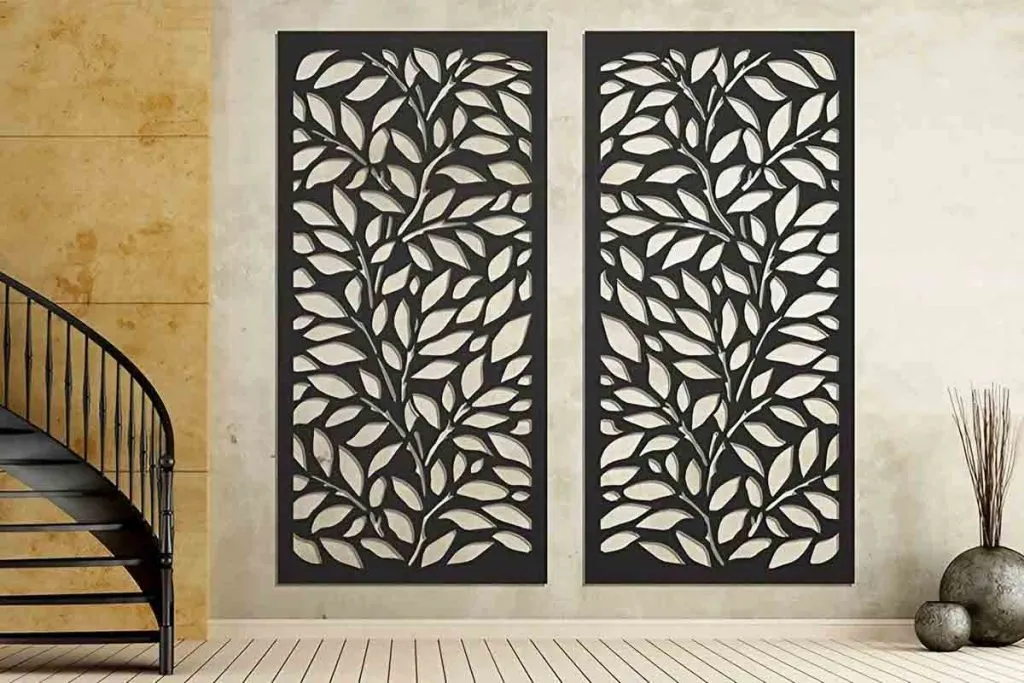
Cut and Edged Panels: Perfecting Acoustics in Podcast Studios
Podcasting has become more than just a trend—it’s a powerful platform for storytelling, education, and entertainment.