
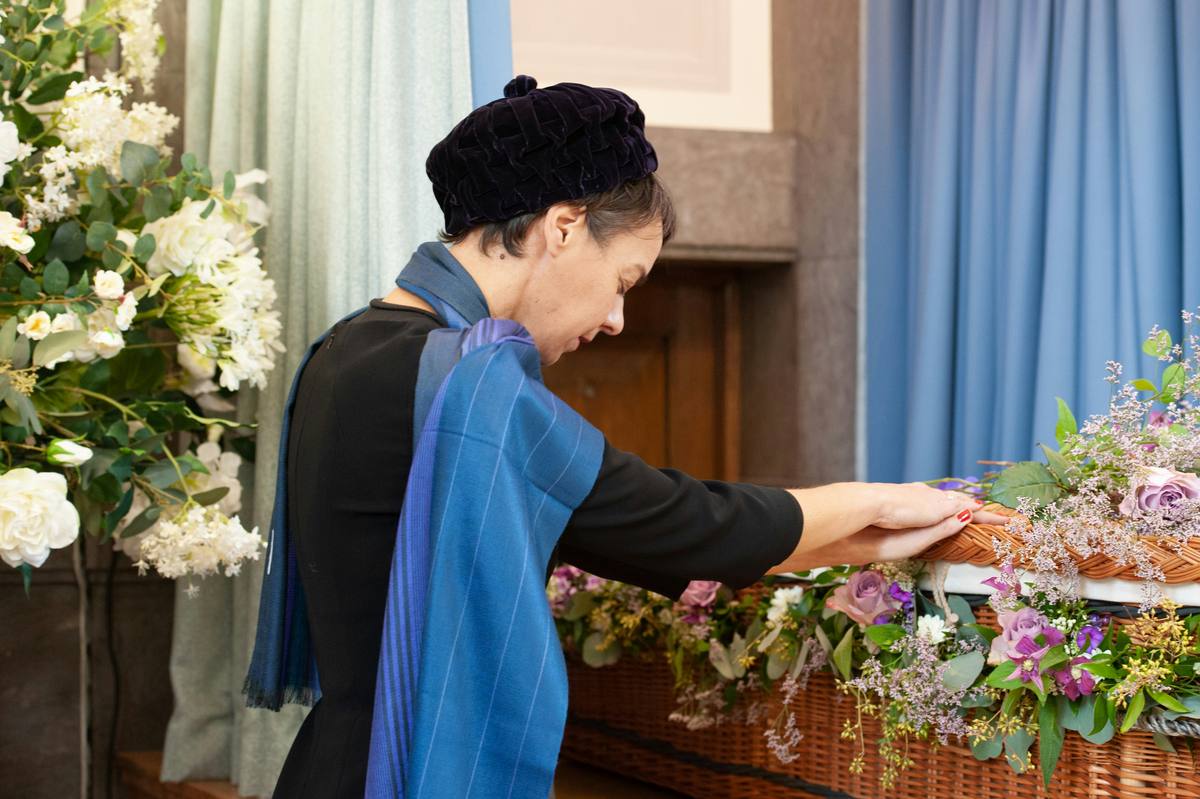
Funeral services are unique in that they require both professional efficiency and heartfelt empathy. Funeral directors in Wimbledon embody this dual responsibility, ensuring that grieving families receive support while also managing the complex logistics of a business. Balancing these two aspects is no small task, yet it is essential for maintaining trust, dignity, and sustainability.
The Business Side of Funeral Services
Running a funeral service involves many business considerations. From managing staff and facilities to overseeing legal requirements and financial accounts, funeral directors must operate with precision. The sector is highly regulated, requiring compliance with health and safety standards, environmental laws, and licensing requirements.
Additionally, funeral directors face the same challenges as other businesses—marketing services, managing costs, and ensuring profitability. Rising expenses for vehicles, embalming supplies, and crematorium fees mean careful financial management is crucial. Without effective business planning, it would be difficult to provide the level of service families expect.
Compassion as the Core of the Profession
At the heart of the profession lies compassion. Families turn to funeral directors during one of the most vulnerable periods of their lives. It is not just about arranging ceremonies or handling paperwork—it is about offering comfort, listening with empathy, and ensuring that final farewells are respectful and meaningful.
Compassion shows in small details: a calm explanation of options, sensitivity in language, and patience when families need time to make decisions. Funeral directors must read emotions carefully, adapting their approach to meet each family’s needs while never letting the process feel transactional.
The Balancing Act
The real skill lies in balancing business demands with compassionate care. A funeral director may be reviewing invoices in one moment and comforting a grieving spouse in the next. This ability to move between the practical and the emotional defines the profession.
Business efficiency ensures services are delivered without error, while compassion ensures families feel supported throughout. The two cannot be separated. A poorly managed service can add stress to families, while an overly administrative approach can come across as cold and impersonal. The balance is achieved when professionalism and empathy work hand in hand.
Community Focus in Wimbledon
In areas like Wimbledon, funeral directors are deeply tied to their communities. They are not only service providers but also trusted figures who play a role in local traditions and collective remembrance. Many residents rely on them for guidance, whether choosing between cremation and burial or arranging culturally significant rituals.
The familiarity of local funeral directors provides reassurance. People often feel more comfortable turning to someone who understands the area, its customs, and even its cemeteries or crematoria. This local presence allows funeral directors to combine practical knowledge with a sense of belonging that extends beyond business.
Adapting to Modern Demands
The funeral sector is evolving, and directors must adapt. Families increasingly request personalised services—eco-friendly funerals, memorials with digital tributes, or ceremonies held outside traditional settings. Meeting these expectations requires innovation alongside compassion.
Technology also plays a part. Online arrangements, live-streamed services, and digital memorials are becoming common. Funeral directors must adopt these tools without losing the personal, human touch that defines their work. This adaptation highlights the importance of combining business flexibility with genuine empathy.
Training and Professionalism
Balancing these responsibilities requires training and ongoing development. Many funeral directors pursue professional qualifications to strengthen both technical and interpersonal skills. Courses in grief counselling, management, and ceremonial practice help ensure they are equipped to serve families while running sustainable businesses.
Such training reflects the dual nature of the role—one part business manager, one part compassionate guide. Continuous learning ensures funeral directors remain effective in both areas.
Conclusion
Funeral directors walk a fine line between business management and compassionate care. Their role demands efficiency in handling legal, financial, and operational aspects while offering unwavering empathy to grieving families. In communities like Wimbledon, their presence extends beyond business; they represent trust, tradition, and support.
The true success of a funeral director lies not in choosing one side over the other but in seamlessly combining both. By balancing professionalism with compassion, they uphold dignity for the departed while bringing comfort to those left behind.