
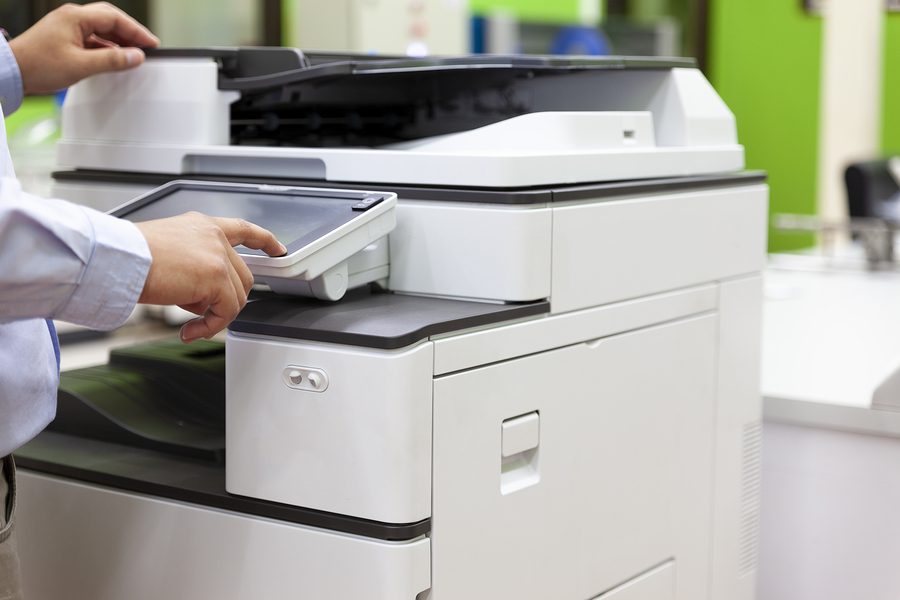
Every growing workplace relies on efficient tools to keep operations running smoothly. Among these, the decision to buy photocopier equipment is one that can shape productivity and budgets alike. While it may seem as simple as picking a machine that makes copies, the choice goes far deeper. Businesses need to weigh features, costs, and long-term suitability before making a purchase.
Understanding Your Business Needs
The first step is assessing what role the machine will play in your day-to-day operations. A small office might only require light copying and scanning, while a larger team may need high-volume output with multiple finishing functions such as collating or duplex printing. Clarifying your needs ensures you avoid both overspending on unnecessary extras and underestimating capacity requirements.
Cost Considerations Beyond the Price Tag
The purchase price is only one part of the equation. Maintenance, toner, paper, and repair services can often surpass the initial cost over the lifespan of the machine. Businesses should plan with a total cost of ownership approach, ensuring that the running expenses do not end up becoming a financial strain. Leasing or renting options can sometimes offer better control for firms that want predictable monthly costs.
Speed, Quality, and Capacity
Performance is another major consideration. Copy speed is usually measured in pages per minute, and this can make a huge difference during peak workloads. Print quality also matters, especially if your organisation deals with client-facing documents. Capacity, including how many sheets the machine can handle in its trays, can impact workflow efficiency. Choosing the right balance between speed, quality, and capacity avoids bottlenecks in productivity.
Features That Add Value
Modern machines often come equipped with additional features that streamline office tasks. Scanning to email, wireless connectivity, or integration with document management systems can enhance workflow. Security settings, such as password-protected printing, are increasingly important for businesses handling sensitive data. While not every extra is essential, considering which features align with your business model ensures you invest wisely.
Space and Placement in the Workplace
The physical footprint of a photocopier is often overlooked. Large machines require significant space, good ventilation, and access to power outlets. Businesses should also think about where staff will use the copier most often, to reduce disruption and maintain accessibility. A well-placed device can support better teamwork and smoother daily operations.
Maintenance and Technical Support
Even the best equipment can break down or require servicing. Availability of support and ease of maintenance should be a priority when choosing. Quick response times from service providers help avoid lengthy downtime, which can affect the whole business. Ensuring that consumables like toner and paper are easily available also reduces unnecessary delays.
Environmental Impact and Energy Efficiency
Sustainability is becoming a key consideration for many businesses. Machines that consume less power or switch automatically into sleep mode can save costs and reduce environmental footprint. Duplex printing (printing on both sides) not only cuts down on paper use but also contributes to greener office practices. These choices may also support corporate social responsibility goals.
Long-Term Flexibility
A photocopier is not a short-term investment. As your business grows, your printing and copying needs may evolve. Choosing a machine that can adapt to changing demands, either through upgrades or compatibility with new systems, protects your investment. This flexibility ensures the device remains useful for many years, rather than becoming obsolete too soon.
Conclusion
When businesses set out to buy photocopier equipment, the choice should go far beyond the initial purchase. By carefully considering workload, costs, performance, and long-term flexibility, companies can select a machine that genuinely supports their operations. With the right balance of features, efficiency, and sustainability, the photocopier becomes more than just a machine—it becomes an asset that drives productivity and growth.