
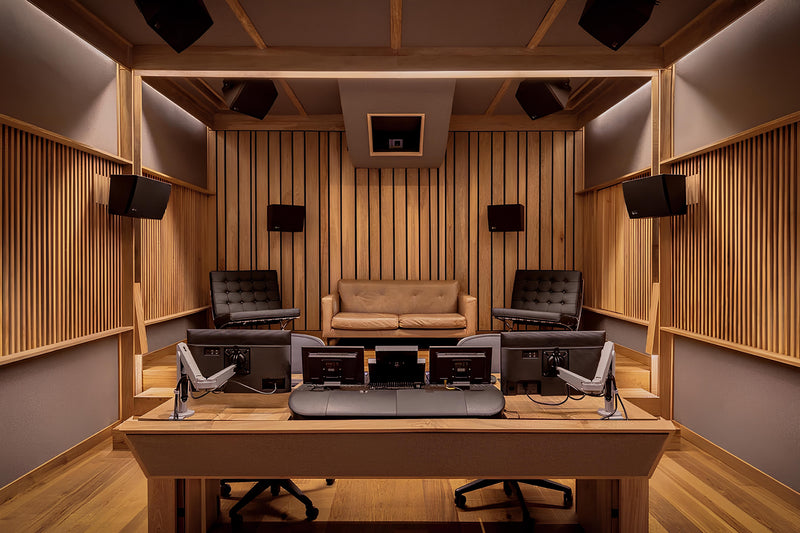
The rise of podcasting has transformed spare rooms, offices, and creative corners into recording hubs. Internal timber cladding plays a significant role in creating an acoustic environment that elevates sound quality while also shaping the visual feel of a studio. For podcasters, the ability to deliver clear, consistent audio without unwanted echoes or external noise is essential. Timber not only provides this technical advantage but also adds warmth, comfort, and style to a space.
Acoustic Advantages of Timber
Podcast studios demand a controlled sound environment. Hard, flat surfaces like concrete or plaster tend to reflect sound waves, causing echoes and distortion. Timber, by contrast, absorbs and diffuses sound, reducing reverberation. The natural fibres of wood break down sound frequencies, ensuring speech comes across with clarity.
For long-form conversations or interviews, this control over acoustics helps produce recordings that require less post-editing. Podcasters can focus on their content instead of struggling with background interference. This efficiency becomes a game-changer, especially for professionals aiming to publish high-quality episodes regularly.
A Comfortable Recording Atmosphere
Soundproofing alone is not enough for a podcast studio. The ambience of the space also matters. Timber offers a warm and natural aesthetic, creating a calming environment that puts speakers and guests at ease. Unlike sterile or industrial materials, wood balances professionalism with comfort, making the studio feel less like a technical setup and more like a creative sanctuary.
This welcoming environment can have a direct impact on performance. Guests are likely to feel more relaxed, leading to natural conversations that resonate better with listeners. Timber cladding adds to the overall atmosphere, ensuring both technical precision and emotional comfort.
Sustainability and Practicality
In addition to sound quality and design, sustainability is a growing concern among creatives. Timber stands out as a renewable material, often sourced responsibly to reduce environmental impact. For podcasters who value eco-friendly choices, internal timber cladding aligns with a responsible approach to building and design.
Practicality also plays a part. Timber panels are relatively straightforward to install, lightweight compared to heavy acoustic materials, and adaptable to different room shapes. For smaller studios or home setups, these benefits make timber a convenient solution without compromising on effectiveness.
Visual Identity for Podcasters
Podcasting is increasingly becoming a visual medium as well, with video recordings and social media snippets gaining popularity. A visually appealing background is crucial. Timber cladding provides a textured, professional look that enhances video production value.
Whether the style leans rustic, modern, or minimalist, timber adapts to various design preferences. Its timeless quality means it rarely feels dated, allowing a studio to maintain a consistent aesthetic over the years. This versatility makes timber cladding more than just a functional choice—it becomes a part of the podcaster’s brand identity.
Cost-Effective Investment
While advanced soundproofing systems can be costly, timber cladding offers a balance between affordability and performance. It doesn’t require highly specialised installation teams, which can reduce setup expenses. Over time, its durability ensures longevity, making it a one-time investment that continues to provide value.
Podcasters starting out often work with limited budgets. Choosing timber allows them to achieve professional-level acoustics and visuals without overspending. This makes it a smart financial choice for both hobbyists and established professionals.
Long-Term Recording Benefits
Another advantage of timber is its adaptability to the evolving needs of a podcast studio. Should the podcaster expand, reconfigure, or relocate, cladding panels can often be reused or repurposed. This flexibility supports the natural growth of a podcasting career.
More importantly, the comfort and quality it brings to the recording space can improve consistency. High-quality sound encourages audiences to return, while the inviting environment supports hosts in producing content regularly. Timber effectively becomes a silent partner in the long-term success of a podcast.
Conclusion
Podcasting thrives on clarity, atmosphere, and creativity. Internal timber cladding uniquely delivers on all three. By controlling acoustics, providing aesthetic warmth, supporting sustainable choices, and offering long-term value, timber emerges as a material perfectly suited to podcast studios. For podcasters aiming to refine their sound while creating an inviting environment, timber cladding is more than a design element—it is a foundation for professional storytelling.